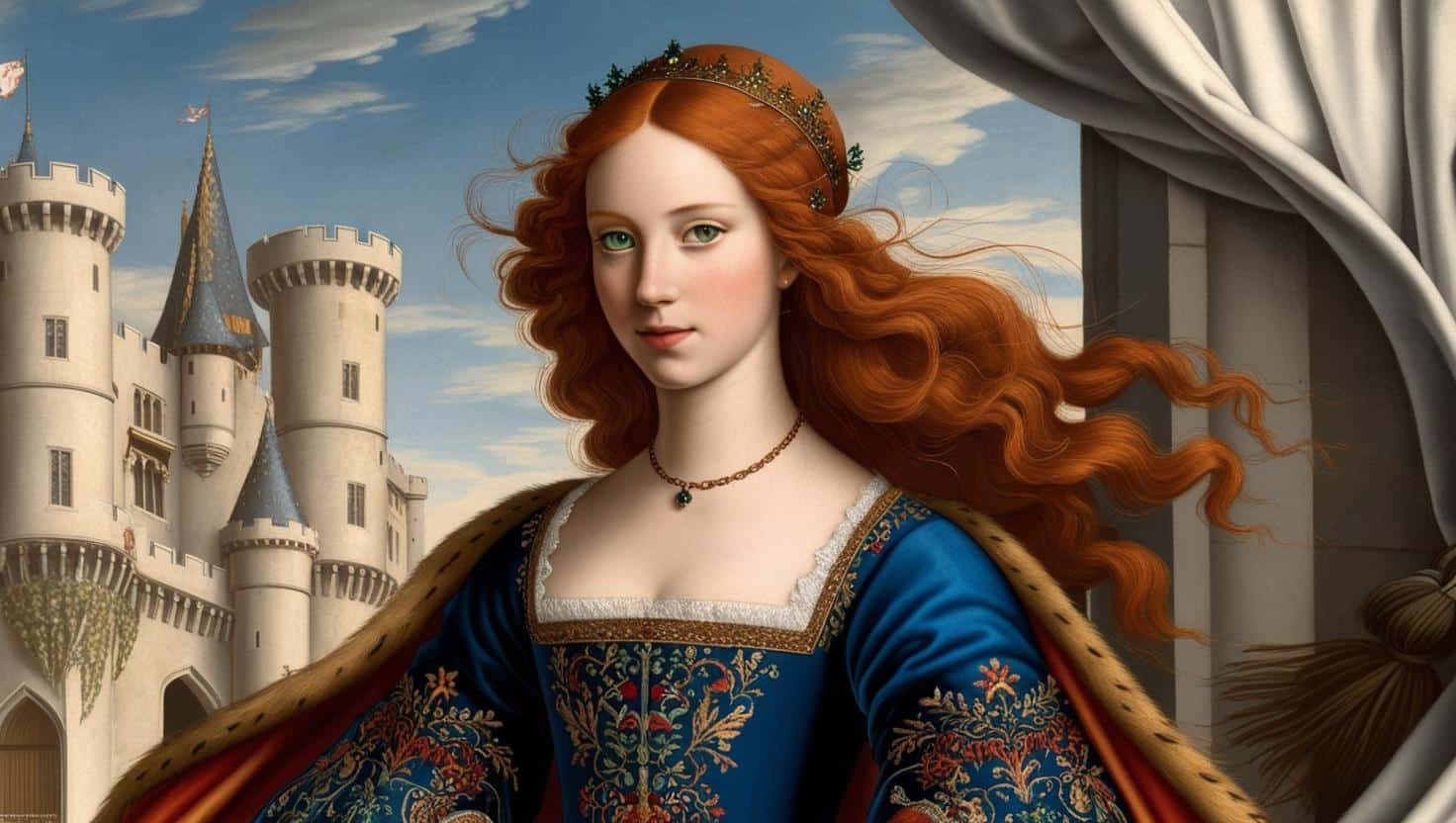
Old‑school romance novels hold a particular nostalgia for me. Not the clean and clever Georgette Heyer style, though those have their charm. I’m talking about the unapologetic bodice‑rippers of decades past, the ones with windswept heroines, brooding heroes, and covers that practically glowed with scandal.
When I was young, I used to hide those paperbacks under folded clothes in the bottom drawer of my dresser (the sneakiest drawer of all).
It felt like smuggling contraband. This was long before eBooks existed, and honestly, digital reading would have made my covert operations much easier. Still, there was something thrilling about sneaking a library book or a new bookstore find into the house. My parents probably wouldn’t have confiscated anything, but the embarrassment factor was enough to keep me quiet.
My older sister and I would scour library shelves for vintage romance novels. Some covers were dreamy and elegant, others were downright torrid. I always gravitated toward Regency romance, and I still do. The clothes, the elegance, the social tension—there’s so much to love. But historical romance also comes with the unavoidable reality of women’s limited rights, and sometimes that unfairness is hard to swallow.
The Classic Romance Hero: Rich, Brooding, and Questionably Redeemable
Looking back, many of the old romance tropes were… a lot. The classic alpha hero was often a jerk, but because he was wealthy, tortured, and supposedly irresistible in bed, readers were expected to overlook everything from emotional neglect to outright cruelty. In the 90s especially, romance novels leaned heavily on plot points that simply haven’t aged well. What once passed as dramatic tension now reads like a walking red flag.
The double standard was impossible to miss. The hero almost always had a long, colorful history of lovers. He’d slept his way through brothels, ballrooms, and half the aristocracy before the story even began. His experience was framed as proof of his masculinity, his desirability, his worldly charm.
Meanwhile, the heroine was nearly always a virgin, and if she wasn’t, she certainly hadn’t enjoyed herself. Oh no! Her first orgasm always came under the expert guidance of the hero, no matter how old she was and whether she’d been married before.
Her ‘purity’ wasn’t just a detail; it was a defining trait, a marker of her worthiness, and a prerequisite for her happily‑ever‑after.
It created a strange imbalance. The hero’s past was a badge of honor, while the heroine’s lack of one was treated as a moral victory. It didn’t matter that he’d spent years indulging every whim (and barely dodging syphilis) while she was expected to sit quietly, embroidering cushions and preserving her virtue like a fragile family heirloom.
These old romance tropes shaped an entire generation of historical romance novels. They also shaped how many readers understood desire, power, and gender roles. Even now, when I revisit those books, I’m struck by how deeply ingrained those expectations were. The hero’s flaws were excused because he was passionate. The heroine’s lack of experience was praised because it made her “innocent”.
It’s fascinating, and a little maddening, to see how normalized those dynamics were. And yet, for many readers, those very tropes were part of the escapism. They were dramatic, heightened, and emotionally charged. But viewed through a modern lens, the imbalance is impossible to ignore.

A Very Old‑School Example
One book that stands out in my memory is Lady Gallant, an Elizabethan‑era romance I read years ago. It was dramatic, emotional, and deeply problematic. The hero’s behavior crossed lines that, in hindsight, were far beyond forgivable. The author did attempt to redeem him with extensive groveling, and at the time I even felt sorry for him.
Funnily enough, I looked that book up recently to see if it still existed in the world. I did find it on Amazon, but it wasn’t until I started looking at the many low star reviews that I recalled how bad some of it was. And I found myself wondering how I ever felt bad for the creep.
He cheated on the heroine, which is an instant deal‑breaker for me. He also committed a laundry list of other offenses that should have sent her running. Meanwhile, she pined away like a gentle, long‑suffering saint. The imbalance was staggering. As sweeping as the story felt back then, I now realize it was a thoroughly toxic romance. If it were realistic, she’d have ended up with herpes, not a happily‑ever‑after.
Regency Romance: Slightly Softer, Still Flawed

Regency romance novels weren’t quite as brutal, though the double standards remained. I devoured the old Amanda Quick books, the ones with single‑word titles. They followed a formula, but it worked. Curiously, her heroes and heroines were often a little plain or past their prime, which set them apart from the genre’s usual parade of flawless beauties. Still, the men were always wealthy and experienced, while the women were inexperienced and “on the shelf.”
Another old book I read, I forget the title, was very off-putting when the hero was having a moment with the heroine and quietly reflected on the sex games he’d played with his exotic foreign mistress. First of all, rude. And you get the impression that there’s nothing he hasn’t done.
The heroine had no equivalent past, no freedom, no fun. Where’s her exotic and perverted man-whore? Nowhere to be found, that’s where. She gets big fat steaming nothing. Typical.
Are Modern Romance Novels Better?
To a degree, maybe. Many modern romance readers have less patience for cruel or emotionally unavailable heroes. But historical romance still has to acknowledge the realities of its time periods. If a book rewrites history too much, readers notice. That’s one reason I enjoy fantasy romance. You can have the elegance of a historical setting without the oppressive social rules. Women don’t have to be treated like livestock unless the author chooses it.
There’s also a growing market for FMCs of substance these days. Not caricatures of empowerment, but women with agency, personality, and standards.
It’s possible to write a story where both leads have some standards and self-control. Romance doesn’t need two people who sleep with anything that moves. Sometimes the tension is stronger when they save something for each other.
The Tropes Never Really Left
Despite everything, the classic romance tropes haven’t gone anywhere. They’ve simply evolved. Many of them now appear in fantasy romance and romantasy, dressed up as dragons, fae warriors, or werewolves. If a trope works, it works, no matter the setting.
Why We Still Love Romance Novels
Romance novels, old and new, offer escape. I love a strong, authoritative male lead, but I want him to be charming rather than condescending. As an author, I believe stories work best when writers aren’t afraid to push boundaries, but there’s a balance. You can’t throw unlikable characters onto the page and expect readers to accept them without question.
Romance thrives on tension, contradiction, and emotional payoff. When authors understand the line between flawed and unforgivable, the genre becomes endlessly intriguing. Even the old, problematic stories shaped the landscape of romance fiction. They influenced readers, sparked conversations, and helped the genre evolve.
And despite their flaws, those old‑school romance novels still hold a strange, nostalgic magic.
Have a thought to share?