
Cozy mysteries have always given readers a comforting blend of charm, community, and clever puzzle‑solving. But as the genre evolves, many readers and writers are gravitating toward the richer emotional depth of dark cozy mysteries. These stories keep the familiar warmth of traditional cozies while exploring more complex motives, layered relationships, and the shadows beneath small‑town life. They prove that a cozy mystery can be gripping and atmospheric without relying on reckless heroines or contrived danger.
Whether you prefer classic cozies or the moodier tone of dark cozies, one element consistently separates a satisfying mystery from a frustrating one: tension that doesn’t require the sleuth to act foolishly. Many readers (myself included) want intelligent protagonists who think before they leap, recognize danger, and make decisions that feel grounded in reality. Smart sleuths make mysteries more engaging, not less.
Unfortunately, many stories still fall back on the old shortcut of manufacturing tension by having the sleuth ignore common sense. But modern readers respond to nuance, emotional authenticity, and respect for character intelligence.
Crafting better, more engaging tension not only strengthens your story but breaks some of the unflattering assumptions that can plague the entire cozy mystery genre.

Why “She Does Something Dumb” Isn’t Real Tension
Most of us have read it a hundred times: the sleuth needlessly wanders into danger alone, ignores obvious clues, or confronts a suspect on a half-baked whim. Instead of feeling suspenseful, it feels very low‑effort. It undermines the character’s intelligence and signals that the plot is being pushed forward artificially.
I’ve previously written about this cliché because, from a reader’s perspective, it has ruined more than one series I had liked at first. That doesn’t mean that a sleuth can never take a false step, that can add some interesting twists, but there’s a difference between a moment of human error and persistent buffoonery.
The cozy mystery genre has tolerated this trope for decades, perhaps because readers have grown accustomed to it. But we deserve better. The genre deserves better. And dark cozy mysteries are already leading the way by prioritizing emotional authenticity, layered relationships, and sleuths that aren’t quite so damn stupid.
A protagonist who behaves foolishly, you risk breaking the storyteller’s spell. But when you weave your twists thoughtfully and creatively, the entire story becomes more immersive.
Below are strategies that create genuine tension while preserving your sleuth’s intelligence, and your reader’s patience.
1. Build Tension Through External Pressure
You don’t need your sleuth to make bad decisions to raise the stakes. Let the world around her apply pressure. A community scandal might be on the verge of erupting. A loved one could be implicated in the crime. A long‑buried secret may resurface at the worst possible moment. Even a looming deadline can tighten the narrative.
These forms of tension can be especially powerful in cozy mysteries, where external pressures often connect to personal wounds or moral dilemmas. They keep your sleuth focused while still increasing suspense.
2. Use Conflicting Clues
Conflicting clues generate uncertainty, which can keep readers curious and engaged. They force your sleuth to question her assumptions and dig deeper into the case. Evidence that doesn’t add up can reveal hidden agendas and maybe outright tampering. A whiff of the unexpected or misinterpreted can make a trusted character suddenly twist into a suspect.
Just be sure to make the issues believable. Confusion is compelling because it challenges the sleuth’s intellect rather than diminishing it.
3. Raise Emotional Stakes for Your Sleuth
One of the strengths of dark cozy mysteries is their emotional depth. They explore the inner lives of characters, not just the outer puzzle, although traditional cozies can tap into this a bit while still keeping things light. The result, when done well, enhances both aspects of the story. When your sleuth has something personal at stake, tension becomes more resonant.
Unresolved grief, a strained friendship, a romantic entanglement with consequences, or a past mistake resurfacing can all add emotional weight. These threads create tension that feels intimate and human, not forced.
4. Secrets and Hidden Motives: The Heart of Cozy Mystery Tension
Small towns may appear idyllic, but they often hide layers of secrecy. Cozy mysteries thrive on this contrast. Let your sleuth peel back those layers and discover that everyone has something to hide.
As secrets emerge, the truth begins to feel dangerous. This kind of tension is the lifeblood of darker cozy mysteries and doesn’t require your protagonist to act recklessly. The town and it’s inhabitants provide the danger.
And make the secrets worth it. Readers feel cheated when a supposedly deep‑seated motive turns out to be trivial. “I really wanted to win that baking contest ten years ago” is not a satisfying reason for murder.
5. Heighten Suspense With Environmental Obstacles
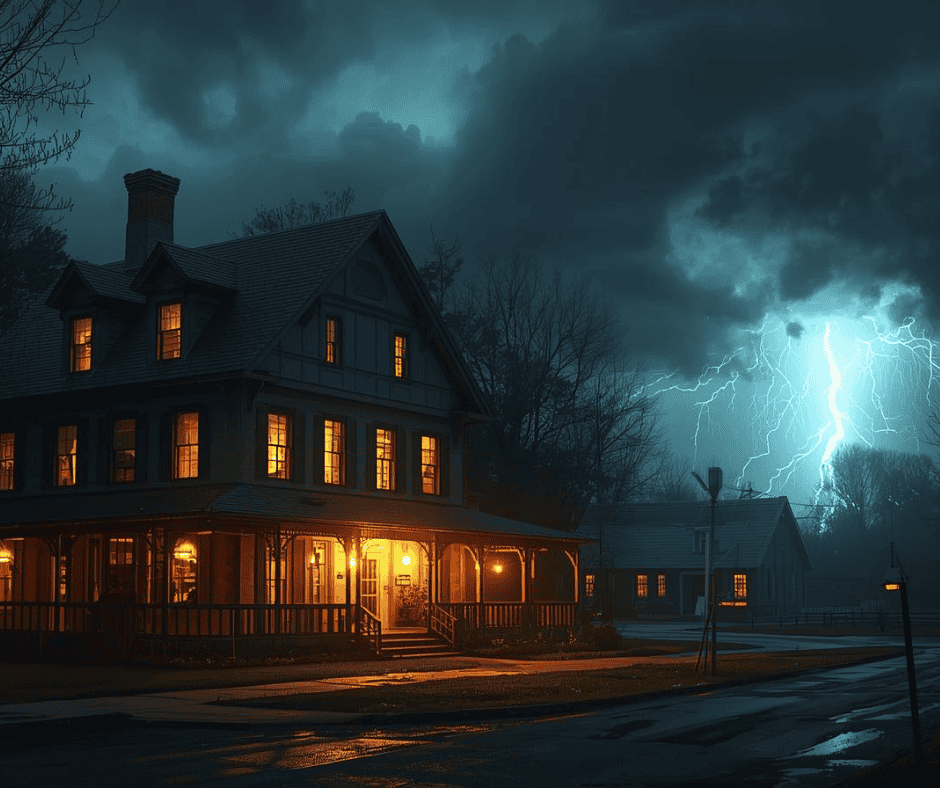
Sometimes the setting itself becomes a source of tension. A storm might isolate the town. A blackout could interrupt a crucial moment. A festival might complicate movement or communication. A remote location may hide clues or create vulnerability.
I utilized this particular technique in Deathly Cold, where the characters are trapped by a massive snow storm. The resulting isolation is creepy enough, but it’s enhanced because the cold itself is a danger.
Environmental obstacles add atmosphere and mood, which are especially important in dark cozy mysteries where setting often mirrors emotional tone. This plot twist is compelling and lets the reader share the protagonist’s sense of caution and uneasiness.
6. Use Social Consequences to Add Realistic Tension
Community is central to cozy mysteries, and that same community can become a source of pressure or danger. Gossip may spread faster than facts. Loyalties can shift sharply and unexpectedly. Reputations may crumble. Old grudges might resurface at the worst possible time.
Social tension is powerful because it’s rooted in human behavior. Most readers can immediately grasp the weight of the potential consequences, and it raises stakes without requiring your sleuth to make implausible choices.
7. Create a Clever Antagonist to Challenge Your Sleuth
This is one of my favorites! A smart antagonist forces your sleuth to rise to the challenge. In dark cozy mysteries, villains often have layered motivations such as grief, jealousy, desperation, or old (and meaningful) resentments. These complexities make the mystery richer and the tension more authentic.
The smartest villains are often the scariest and most memorable. A clever antagonist elevates your sleuth, your plot, and your emotional stakes. Readers feel the suspense because the danger is real.
Writing Smart, Satisfying Cozy and Dark Cozy Mysteries
Tension in cozy mysteries doesn’t require your sleuth to abandon her intelligence. In fact, the genre is at its strongest when the protagonist is perceptive and at least somewhat aware. Readers like to follow a sleuth who thinks her way through danger, not one who constantly stumbles into it.
By building tension through external pressure, emotional stakes, secrets, environmental challenges, social dynamics, and clever antagonists, you create suspense that feels organic and deeply satisfying. These techniques honor both the reader’s expectations and the sleuth’s competence, making your cozy or dark cozy mystery more immersive and memorable.


Have a thought to share?